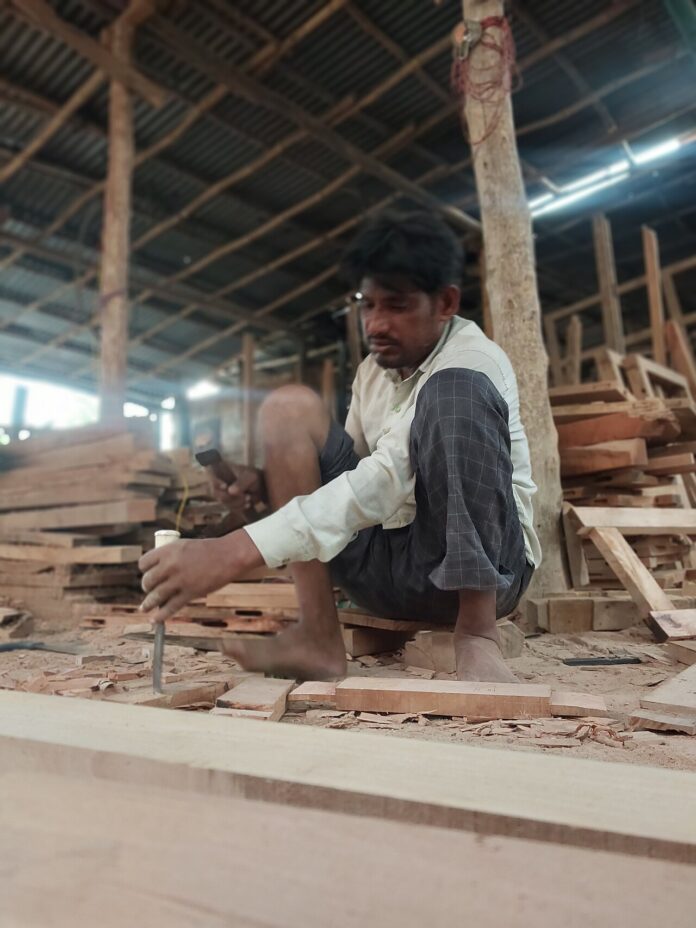

One question we are asked more than any other: “I have neither a high degree nor lakhs of rupees — is there any legal road to Europe for me?”
There is. And its name is Ausbildung. This German system teaches you a trade, pays you for learning it, and at the end gives you an official certificate, a job that is almost certain, and a road to permanent residence. In return it does not ask you for money. It asks for only one thing, and that is the German language.
This is worth reading twice, because it is the opposite of every other scheme that goes around among us. In dunki (the illegal route) the money goes first and the result never comes. Here the income starts from the first month and at the end the certificate is in your hand.
What is Ausbildung really?
In German it is called duale Ausbildung, that is “dual training”, and dual because you are in two places at once. On some days of the week you are in the company, where you learn the real work, and on some days in the vocational school (Berufsschule), where you get the classroom teaching of that same work. It usually lasts two to three and a half years.
The company makes a formal contract with you and pays a training wage every month. At the end there is a chamber (IHK or HWK) exam, and after it comes the official certificate — the same certificate that a German young person has, and one that is recognised across the country. You do not become a guest worker; you become a skilled worker made inside this same system.
How much is the wage?
This question comes first, and the answer is encouraging. The training wage rises according to the sector and the year of training. The rough estimate is about 800 to 1,200 euros a month in the first year, and about 1,000 to 1,500 euros in the final year — more in sectors such as nursing. The law sets a minimum training wage and this limit rises every year, so treat these figures only as an estimate and check the current numbers for your own sector yourself.
Is it enough to live on? In smaller cities it certainly is, and many companies also help in finding accommodation. In an expensive city such as Berlin or Munich the same amount can be tight — this is one more reason why insisting on a big city often does harm.
Which sectors have the most demand?
The door is not equally open in every sector. Where the shortage is greater, companies accept a foreign candidate more easily and the visa case is also stronger. The fields with the most room at present are these:
- Nursing and elderly care (Pflege): the biggest shortage — the brightest prospects for both the visa and the job, although the language requirement is hardest here.
- Hotels and restaurants: cook (Koch) and hotel worker — a familiar field for young people from the subcontinent.
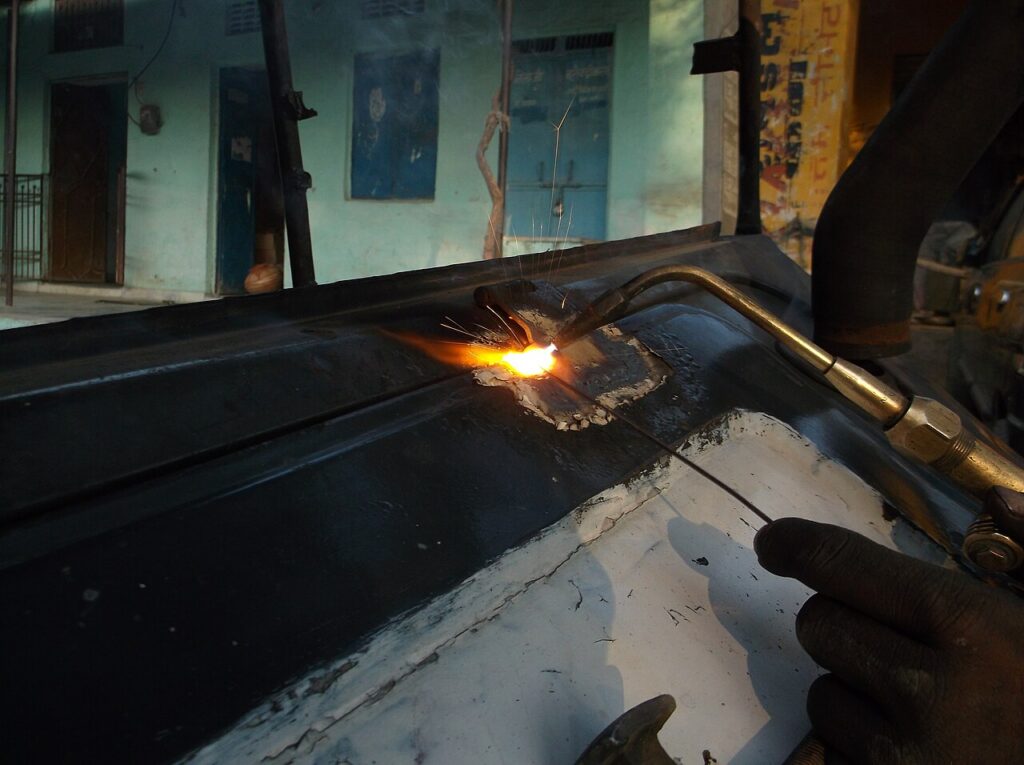
- Trades: electrician, plumber (SHK), mechanic, welder, construction — the shortage in the German Handwerk is constant.
- Logistics and retail: the warehouse and sales sectors.
- Driving: professional driver (Berufskraftfahrer).
- IT: Fachinformatiker — the door into IT without a degree, for those interested in computers.
Choose your sector with thought, because you will spend the next three years in that work and its certificate will become your permanent identity. Those who decide only by “whichever visa is easiest” often lose heart in the middle of the training.
What you need for the visa
This is the list you really have to tick off:
- Training contract: a formal Ausbildung contract with a German company. This is the real key; all the other papers come after it.
- German language: the general rule is B1, and in some sectors — especially in nursing — B2 is asked for. The certificate should be from a recognised body such as Goethe, telc, ÖSD or ECL.
- Education: at least the schooling that is acceptable in the German system. Twelve years, that is intermediate, makes the file considerably stronger.
- Proof of funds: if the training wage is below the set limit, a blocked account or a sponsor to make up the difference. This limit changes every year, so look at the embassy’s current list.
- Age: there is no hard limit in the law, but in practice companies prefer candidates between 18 and 30.
Notice which thing on this list is the hardest. The contract comes with effort, the papers get made, the money can be arranged. The real gatekeeper is the language. Whoever has reached B1 has already reached half of Germany.
How to find a company — the real work is here
This is the stage where people tire the most, and where the agent gets in most easily. The truth is that you can do this work yourself, and do it free. There is the Ausbildung board of the official job portal Bundesagentur für Arbeit, and besides it thousands of places are open on websites such as ausbildung.de and azubiyo.de.
The application has to be sent in the German style: a short Lebenslauf, that is a CV, an Anschreiben, that is a covering letter, and certificates — all in German. After that a video interview is almost certain, and this is where your B1 is really tested. Memorised sentences are caught in the first two minutes, so take speaking practice as seriously as reading.
One practical piece of advice that can save many people time: companies in small towns and rural areas take a foreign candidate far more easily, because fewer local young people are left there. Drop the insistence on a big city. You do not have to stay there forever — after the certificate the whole country is open.
What do you get after the training?
It is important to think about this, because Ausbildung is not the destination but the base. After the certificate, four things open in front of you:
- Job: you are now a certified skilled worker (Fachkraft). The doors are open in the field you have learned and the pay usually runs from about 2,300 to 3,200 euros or above, with the differences of sector and region.
- Residence: after the training a residence permit comes with the job, and on the basis of the certificate and the years of work the road to permanent residence (Niederlassungserlaubnis) opens relatively soon.
- Moving up: becoming a Meister, that is a master tradesman, or further study. In the German system the ladder of skill goes right to the top — this is a country where a good craftsman is counted as a respected person in society.
- Family: once a stable income is proved, the road to family reunification opens.
The whole plan — from today, sitting in Pakistan or India
If you have made up your mind, the map of the time looks something like this. Do not be frightened looking at it — it is in any case less than the years people spend on agents’ promises.
- Month 1 to 12: German from A1 to B1. For a serious student ten to fifteen months is a realistic period. Alongside it, choose your sector.
- Month 8 to 14: take the B1 exam and start sending applications. Start at the beginning of the year, because the training intakes usually run from August and September.
- When you get the contract: prepare the visa file — contract, language certificate, education papers, proof of funds. The decision can take from weeks to months.
- On reaching Germany: registration in the city (Anmeldung), the residence permit, and the start of the training.
Now do the sums. The language course, the exam fee, the visa fee and the air ticket — even all of it together is small compared with the fee of a dunki agent. And the difference is not only of money: on one side there is a legal certificate, a wage and a future; on the other, debt, danger and no guarantee.
If you hear these things, understand that it is a fraud
A whole industry of lies has grown up around Ausbildung. Remember three sentences in particular:
- “We will get you an Ausbildung visa without German.” This is a plain lie. Without the language there is no visa, and even if one somehow came, the first month in the Berufsschule would not pass. You will study in German, take exams in German and work in German.
- A fake contract or invitation letter. The embassy verifies directly with the company. A fake paper gets caught, and after that your own name is spoiled for years.
- Online bodies that ask for a “registration fee”. The official portals are free. And remember the rule: a real German employer does not take money from a candidate — it pays you a wage, it does not collect from you. The day any “company” or its “representative” asks you for money in exchange for a job, end the matter that same day.
Useful websites
These three sources are official or reliable, and all three can be used free. You can start work on them today, right now:
- Official information and conditions: make-it-in-germany.com
- To search for Ausbildung places: arbeitsagentur.de
- Language courses and a recognised exam: goethe.de
The wages, periods and financial limits given here are estimates, and they change every year — this article is here to show you the road, and is not written as legal advice. The required level of language and the amount in the blocked account can differ according to your sector and your case, so before preparing the file put the current checklist of the German embassy in your city in front of you and match it point by point.

