
Two things about asylum are well known among our people, and the interesting part is that the two contradict each other. On one side are those who say “file a case, the papers are guaranteed” — as though asylum were a form that produces residence the moment you fill it in. On the other side are those who say “there is nothing in it, everyone is refused”. Both are wrong, and both mistakes are expensive: the first mistake makes a man file a false case, and the second stops the person who really did have a true reason.
So let us calmly look at what the asylum system in Spain actually is — on what basis it is granted, what happens after the application, what rights you have while the case is running, and where you stand if the decision goes against you.
What asylum is
International law says that if a person faces a real risk of persecution in his own country because of race, religion, nationality, political opinion or membership of a particular social group, then another country cannot push him back into that same danger. This is not a favour, it is a recognised principle. Alongside it there is a second kind as well — subsidiary protection — which is for people whom nobody has personally targeted, but for whom going back means war or serious harm.
Now the thing an agent never tells you. Poverty is not a ground for asylum. Unemployment is not a ground for asylum. “I could not make ends meet there” is a true and serious hardship, but in the language of the law it is not persecution. In cases from countries like Pakistan the approval rate is low, and the cases that do succeed usually contain some specific, provable personal danger — ongoing cases against a religious minority, blasphemy accusations, enmity because of political or journalistic activity, or a danger from which the state itself cannot protect you.
And understand this too: the interview is not a formality. The man who tells a story written by an agent gets stuck there on the details — dates, the names of places, the sequence. The officer asks the same question again in a different way, and the memorised story comes out differently the second time. That is the turn at which the case dies.
Where the application is made, and what happens next
The very first step is only this much: that you express your intention — this is called manifestación de voluntad. Going to a police station or to the asylum office and saying that you want to apply for international protection. An appointment is needed for this, and in the big cities getting that appointment is itself a separate ordeal. A person who arrives at the airport, or who is in a detention centre, also has the right to apply right there — this right does not end in any place.
As soon as the intention is registered you get an initial paper, which people usually call the white document. This paper looks ordinary, but its meaning is large: from that moment you have protection from deportation and your stay counts as legal.
After that, on the appointed day, the formal interview takes place. This is the real foundation of the case — your story, your evidence, where your journey went from and to. Asking for an interpreter is your right, and if you are not fully confident in Spanish then do ask for an interpreter; something half-understood goes onto the record as a contradiction.
If the application is admitted you get the asylum seeker’s identity card — the one everybody calls the tarjeta roja, the red card. Its validity keeps being extended, and there is one thing in it to remember especially: after six months have passed, this card gives permission to work. Then the matter is waiting for the decision of the relevant office (OAR), and the honest thing to say here is that this does not take months — it often takes years.

What you have while the case is running
People often do not know this part, and because they do not know it they are deprived of their own rights. While the case is running you are legally resident in Spain and protected from deportation. After six months you can work on a proper contract. There is the right to medical treatment and the right to schooling for children. In the early stage there is also access to the state reception system — housing, food and guidance — although the capacity is limited and entry into it usually happens through organisations such as CEAR, Cruz Roja or Accem.
And most important of all: free legal help is your legal right, from the first day. There is no need to get a recommendation from anyone or to pay anyone for it. What often happens with our people is that they pay thousands of euros to some acquaintance to get done the work that the organisations do for free, and generally to a better standard.
When the decision comes
If it is approved
Full asylum (refugee status) gives five years of residence, a travel document and full work rights. In the case of subsidiary protection you also get residence and the right to work. After that you come onto the ladder of Spain’s ordinary residence system — renewals, and later on long-term residence.
If it is refused
First point: a refusal does not mean the door is closed. There is an appeal in court, but its time limit is short. Meet a lawyer as soon as you get the paper — not next week, this week. Once the appeal deadline has passed, no argument works.
The second point is more delicate. After a refusal a man comes back, in practice, to the state of being “without papers”, and this is where people usually think, all right, let us now go towards Arraigo. The route exists, but the rules on how time spent in the asylum case is to be counted towards the two years for Arraigo are complicated — the new 2025 regulation has placed particular conditions and some transitional concessions on this. This is the place where a step taken on guesswork causes years of loss. The plan of action after a refusal is built differently in every case, so make this decision sitting with a lawyer, not on hearsay from a WhatsApp group. To understand the whole Arraigo system, we have a separate article, «How do papers get made in Spain?».
One question to ask yourself before filing a case
The question is: what is my reason, truly? Only you know the answer, and your next decision stands on that answer.
If you really do have a true and provable ground, then applying is your right, and do not delay it. From the first day build the file together with a lawyer or an experienced organisation. Start getting evidence sent from your country — FIRs, court papers, newspaper reports, medical reports, threatening messages — and get them properly translated. The difference between an organised file and a scattered spoken story is often as big as the decision itself.
And if your reason is economic, then a false case is the worst deal of all for you. It is not only almost certain to be refused, it also leaves a mark on your record that spoils your strategy for the years to come. For such a person the straight and honest route is preparing for Arraigo — that is, counting the time, registration with the municipality, and a clean record.
One last thing about the interview: tell the truth and stay on one account. You will get plenty of advice to put a little “weight” into the story. That weight is exactly what sinks the case, because carrying it is beyond anyone.
Where help is available
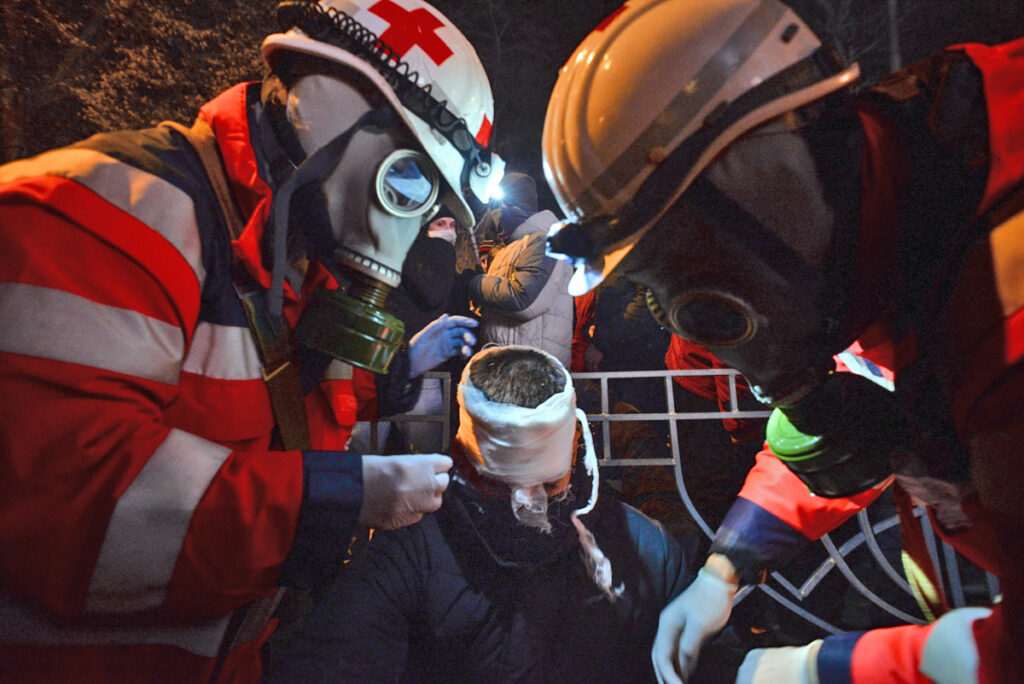
In asylum cases in Spain the biggest name in free legal help is CEAR. For the reception system and for everyday social support there are Accem and Cruz Roja (the Red Cross). For information and general guidance you can turn to UNHCR Spain. Going to these offices is never used against you — this fear is completely baseless, and it is because of this fear that many people are left deprived of their rights.
Check the official information here
- Official procedures for immigration and protection: inclusion.gob.es
- Appointment (Cita Previa): Cita Previa
What is written here is to explain the system — it is not advice on your case. In asylum matters every story is different, and the price of one wrong step is extraordinary. Before making any application or signing any paper, show your case to a qualified lawyer or to one of the organisations named above.

