

In the first week after reaching Spain, people usually do three things: they get a SIM card, they try to open a bank account, and they start looking for work. The one task that should come first is often done months later — and sometimes never at all.
That task is Empadronamiento (pronounced em-pa-dro-na-mee-en-to), that is, registering where you live with your town hall. A simple piece of paper, which says that a certain person has been living at this address since a certain date. Later on your health care, your children’s schooling and your documents — all three rest on this paper.
And the basic point is that the count starts from the day you register, not from the day you reached Spain. However long you delayed, that many days are gone from your own count.
What this thing is
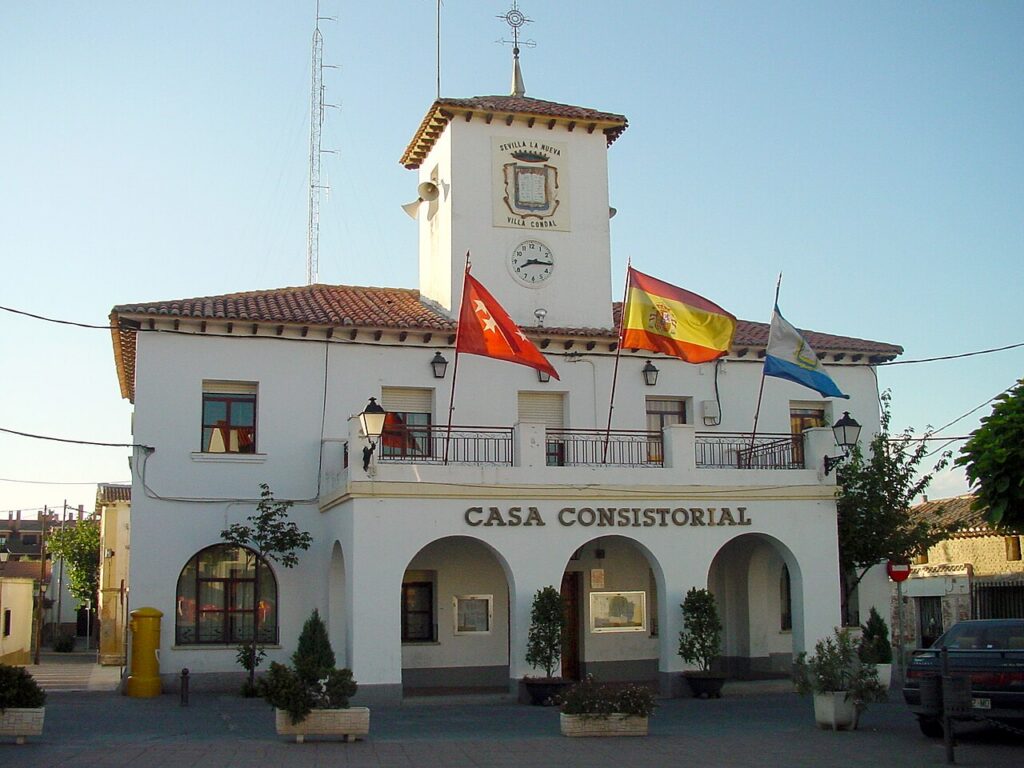
Every city and town hall (Ayuntamiento) keeps a register of the people living in its area, called the Padrón Municipal. Putting your name on it is both a legal right and a duty of every resident — whether you have residence documents or not.
This is exactly where the biggest misunderstanding sits. Many people do not go to the town hall out of fear that they will be asked for a visa there and the matter will reach the police. Under the law the town hall does not ask about your immigration status at all. Its job is only to record that you live at this address — because the schools, hospitals and budget of that area are calculated from this count. Your registration is in the town hall’s own interest.
Why it matters so much
The biggest reason is Arraigo. A person living without documents has to prove two years of continuous residence in Spain to get a residence permit, and the padrón is the strongest proof of it. The official sitting in the office does not listen to what you say, he looks at the date — and the date is written on this paper.
The other benefits belong to everyday life, but they are no less important. In most areas the padrón is needed to get a health card (tarjeta sanitaria). This same paper is asked for when enrolling children in school — and remember, children’s education does not depend on the parents’ documents. The town hall’s social assistance, free courses and other facilities also open through this registration.
What to take with you
- Identity: Passport. (Take it even if it has expired — many town halls accept it, although a valid passport is always better.)
- Proof of address: The rental contract, or the consent of the landlord or of the person in whose home you live. Some town halls also ask for their signature on the form or their identity document.
- The town hall’s form: Available from the office or from their website. In big cities you have to take an appointment (cita) first.
There is usually no fee. What it costs is your time.
Where people get stuck
‘The landlord will not sign.’ This is the most common obstacle, and often the landlord does not mean any harm — he is worried about his own taxes or his contract. There are several ways round it. If someone else lives in the same house and the contract is in his name, the registration can be done through him. Talk to the town hall’s social worker — many town halls make a verification visit and register you even without the landlord’s signature. And some cities have a procedure even for people who have no fixed address (sin domicilio fijo). Giving up without trying is the most expensive decision.
People who do the padrón for money. This business runs in every city: someone gives his home address for a few hundred euros and you register there, although you do not live there. People do this out of helplessness, so there is no intention to blame anyone — but the risk must be stated plainly. If a false address is caught, the registration can be cancelled, and with it all the counting that was standing on that paper. Registering where you actually live is always better, even if it takes a few weeks longer.
Forgetting the renewal. Those who do not have permanent residence must confirm or renew their registration every two years. If a letter comes from the town hall, do not ignore it — many people put such letters aside because they do not understand Spanish. If it is not renewed, the name is removed from the register and your two-year count can break. In the same way, if you change house, register with the new town hall at once.
Keep taking out the certificate and keep it safe
After registration you get a volante or a certificado de empadronamiento. Do not take it once and then forget it. Every year, or whenever an important stage comes, take out a fresh certificate and keep adding it to your file — it is usually free or has a small fee.
This file, lying in an ordinary cupboard, will be the basis of your case two years later. At that time you do not remember which paper you took and when, and that is exactly when you need it most.

The next steps after the padrón
- Health card: Go to the health centre (centro de salud) of your area and register. And know this: emergency treatment is the right of every person, in every situation.
- School for the children: Ask the town hall’s education office about the enrolment procedure. Enrolment is possible in the middle of the school year too.
- Free language courses: Many town halls and organisations run free Spanish classes. Keep their certificates safe — later on these are exactly the things that help in the social report for Arraigo.
Suppose someone has reached Spain today. If he goes to the town hall in that same week, then two years later he will have a straight, dated line. And if he keeps putting it off for six months out of fear, those same six months will be added on to his waiting at the end. The difference is only one day’s courage.
Every town hall has its own procedure and its own list of documents, so treat the details written here as general guidance — this is not legal advice. Before you go, look at the website of your city’s town hall, or phone their office and ask what is needed at the moment.

