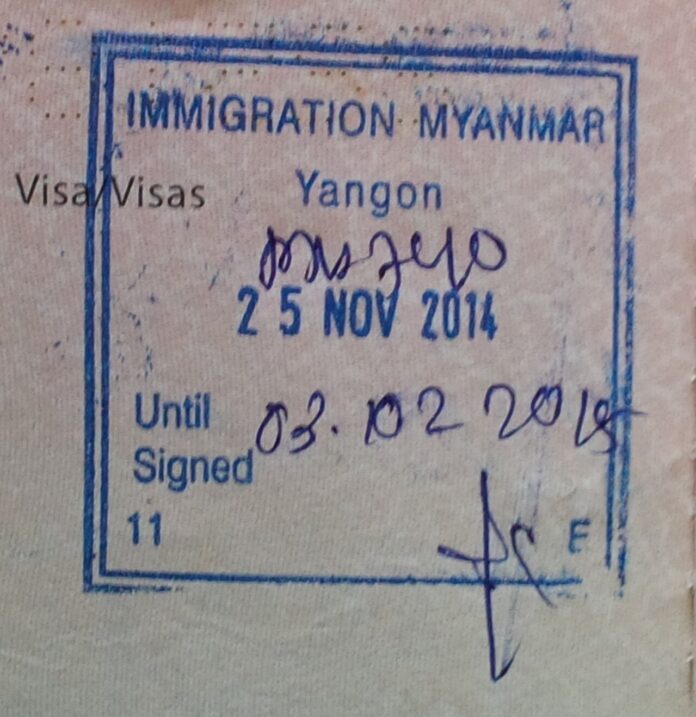

Talk to any Pakistani living in Spain and within half an hour you will hear one word for certain: Cita (pronounced see-ta). One person has not been able to get one for a month, another got one at two in the morning, and a third grew tired of trying and paid money for one.
Cita means appointment. Whether you have to submit an application for documents, give fingerprints or collect the TIE card — every task needs an online appointment first. And as things stand today, the hardest part of the whole process is not the application; it is this appointment.
First understand how the system works. Once you understand how it runs, this stage does not become easy, but the helplessness goes away — and no room is left for the people who cheat you.
Where the cita comes from
Spanish government offices do not work without an appointment. All immigration-related appointments come from one government website:
icp.administracionelectronica.gob.es
Here you first choose your province, then the type of task (trámite). The three types used most often are these:
- Presentación de solicitudes — submitting an application (for example Arraigo)
- Toma de huellas (TIE) — giving fingerprints
- Recogida de tarjeta — collecting the finished card
Choosing the wrong type is itself a common mistake. People arrive at the office with a cita they waited months for, and there they learn that it was not the cita for that task at all — and the whole thing starts again from the beginning.
The sentence everyone has read
“En este momento no hay citas disponibles” — there are no appointments available at the moment.
The reason is simple: the slots are limited and the number of people asking for them is very large. On top of this there is another trouble: some groups grab the slots with software (bots) and then sell them. The result is that ordinary people are left with even fewer slots.
It is important to know that an empty screen is not the result of any mistake of yours. This is exactly the point where people start thinking, ‘something is going wrong at my end, let me get someone I know to do it’ — and this is where paying money begins.
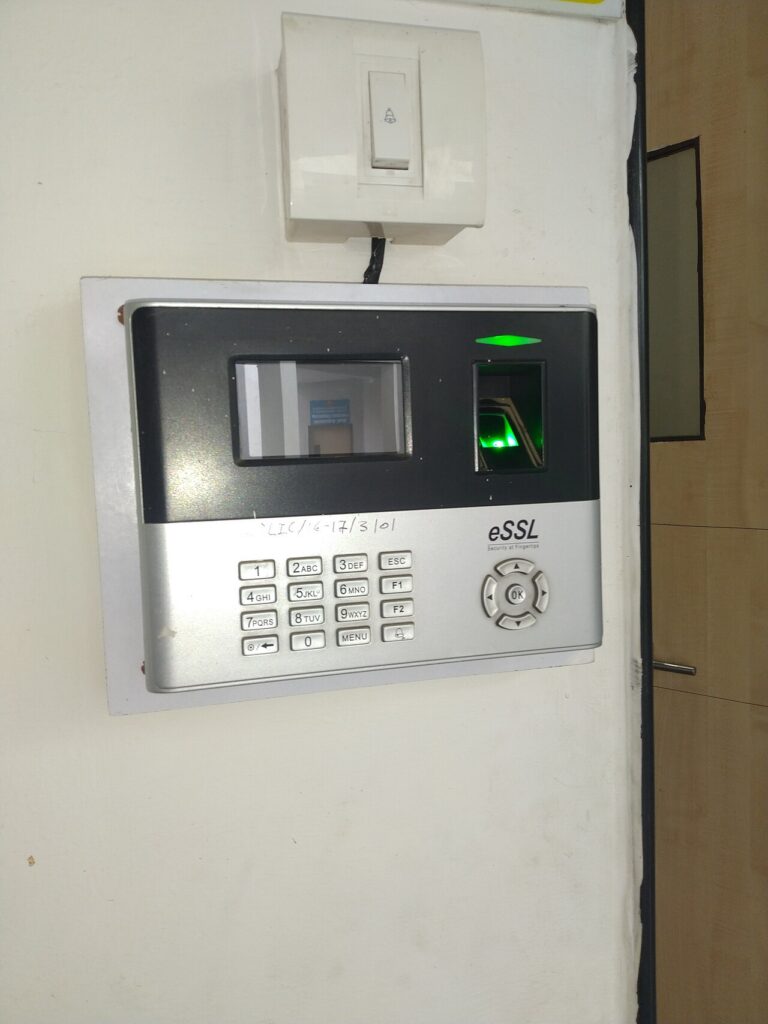
The methods that really help
- Watch the timing: New slots often open early in the morning or in the early hours of the night. Not at the same time every day — try several times a day. The chances are somewhat better on the first days of the week.
- Persistence, not luck: This is a game of patience. Try every day; most people do get a slot within a few days or weeks.
- Keep your details in front of you beforehand: Passport number or NIE, and your name exactly as it is on your documents. The form has to be filled in quickly, because the slots run out within a few minutes.
- Save the receipt: Keep the confirmation email, and print the justificante of the cita and take it with you.
- Get a digital certificate: Those who have legal status should certainly get a certificado digital or Cl@ve. After that many tasks can be done online without a cita, and renewal applications can be submitted from home.
People ignore the last point the most, and it is the one that saves the most time. One effort, once, and half the headache of the coming years is gone.
The people who sell citas — hear this clearly
The government cita is free. There is no fee for it at all. Anyone who asks you for money for a cita is selling you the very thing you can get yourself, from that same website, without spending a single euro.
And the loss is not only money. To get a cita you have to hand your passport number and personal details to a stranger — which means you are buying the risk of identity misuse along with it.
Keep one difference clear, though. If a legitimate gestor (registered paperwork agent) or a lawyer is handling your whole file — documents, translations, the application, the follow-up — then that fee is the fee for a real service. But paying only to ‘get a cita’ is feeding the same business that took the slots away from you.
The TIE card — the last stage
When your residence application is approved (resolución favorable), along with the happiness another stage begins: getting the card made. This is a three-step job.
- The fee (Tasa 790-012): Print the form from the website and pay it at a bank — the card fee is usually less than 20 euros.
- The cita for huellas: Take the fingerprint appointment at the police station. Take with you: passport, the approval letter, the receipt for the fee, a passport-size photograph and your empadronamiento.
- Collecting the card: The card is available from the same office about one to one and a half months after the fingerprints — and collecting it also often needs a separate cita.
From this you can work out that one file involves the cita stage at least two or three times. That is why it is sensible to start preparing for the next stage as soon as you get the first cita; do not wait until the need is upon you.

A few practical points
Keep a photocopy of every document, and a photo of it on your phone as well. Receipts going missing is such a common trouble that you should assume it in advance.
Besides your own province, look at the offices of nearby provinces too. For some tasks the office where you live is compulsory, but not for every task — legal advice often finds a way.
And on the day of the cita, reach the office before time. If the time of the cita passes, you may have to wait months for a new one. To lose, because of traffic, something that took weeks to get is the most painful loss of all.
This article is written to explain the system; it is not legal advice. The appointment procedure, the documents needed and the fees change with time, and they also differ from one province to another. Before taking any step, check the latest details on the government website given above.

